Scissor vs. boom: decide by geometry
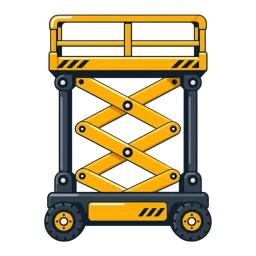
- Scissor lifts: Best when the platform can sit directly below the work. Choose electric slab models for finished interiors at /electric-scissor-lift-rental/ and rough‑terrain units for outdoor surfaces at /rough-terrain-scissor-lift-rental/.
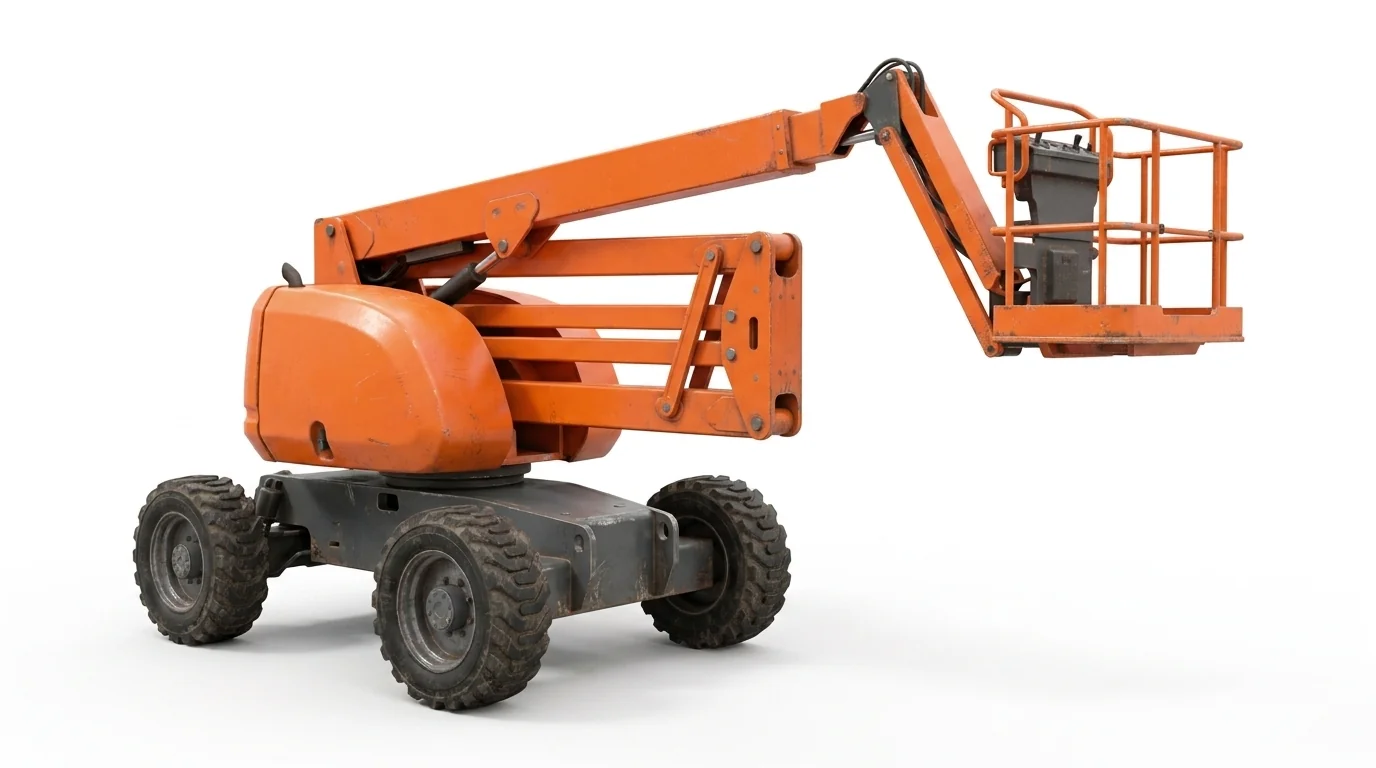
- Articulating booms: Navigate up and over ducts, conveyors, canopies, and trees. Useful for maintenance where obstacles block straight vertical access; compare options at /boom-lift-rental/.
- Telescopic booms: Favor long, straight outreach for façade, lighting, and signage where there’s clear space to set up.
Lakeland factors that change the comparison
- High‑bay logistics buildings: Narrow aisles and polished slabs point to compact electric scissors with slab ratings.
- Humid interiors: Electric power reduces indoor emissions and noise; runtime expectations depend on drive cycles in long aisles.
- Sandy, rain‑affected sites: Rough‑terrain platforms handle softer ground and uneven grades better than slab units.
Height, reach, and route constraints
Measure the work elevation, then review: - For scissors: platform height and machine width vs. aisles and doors - For booms: horizontal reach, tail swing, and set‑up footprint - For any lift: ceiling obstructions, loading dock transitions, and staging space
Supporting equipment to consider
- Material handling in warehouses: /forklift-rental/
- Pallet or crate placement outdoors: /telehandler-rental/
- Night or storm contingencies: /generators-light-towers-rental/
- Perimeter control at active sites: /temporary-fencing-barricades-rental/
Actual conditions, the selected unit’s instructions, and site procedures govern elevated work and exterior use.