Where rough‑terrain scissors make sense
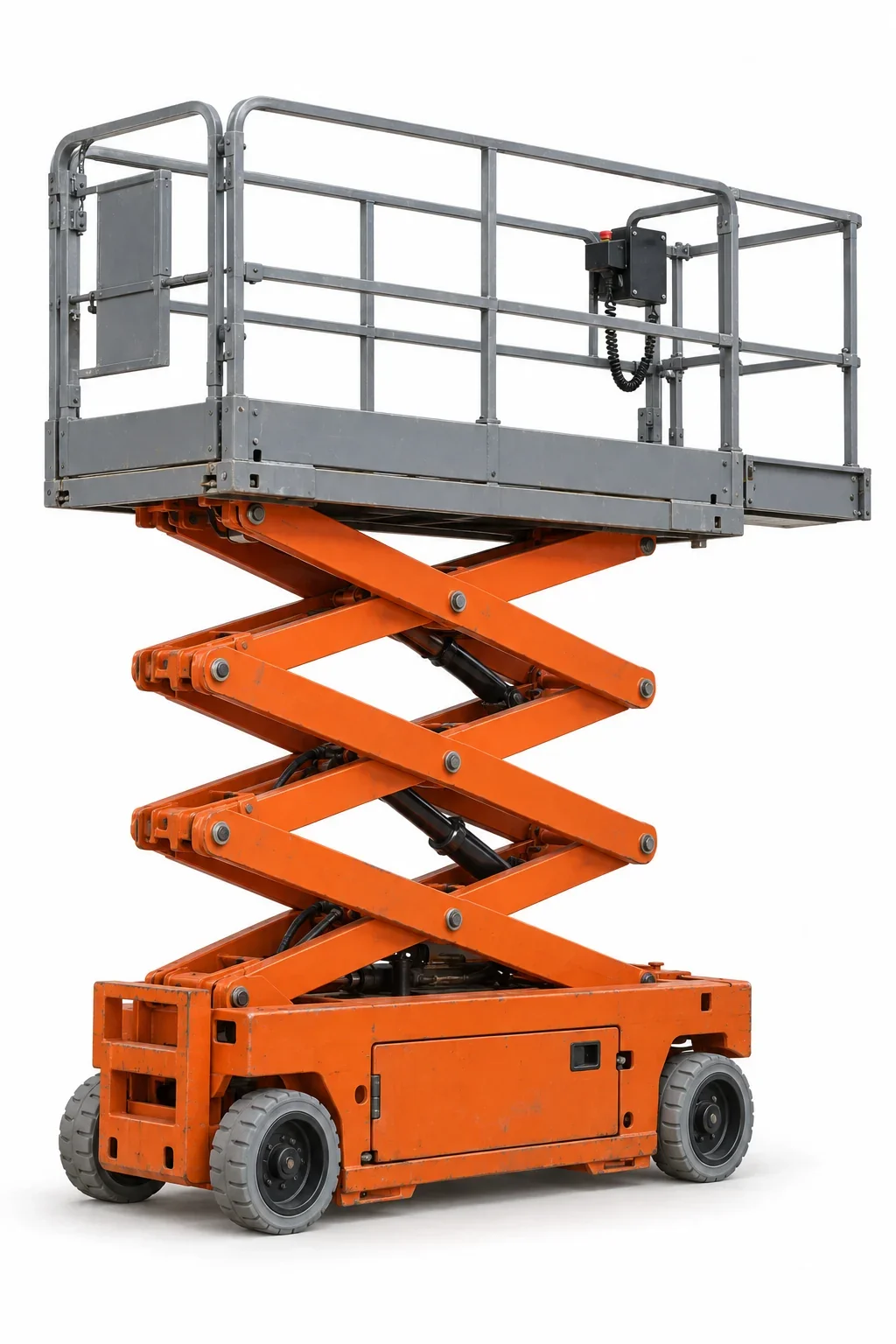
Exterior envelope work, signage, canopies, and MEP runs along building perimeters often allow the platform to sit directly below the task. A rough‑terrain scissor provides vertical reach with a larger deck than many compact machines while tolerating ruts and soft patches common after storms.
Ground and approach constraints
Lakeland’s sandy soils can become saturated quickly. Evaluate: - Surface firmness across travel paths, not just the work spot - Grade changes at curb cuts, retention areas, and loading aprons - Turning room around fencing, materials, and temp utilities If the platform cannot get directly under the task due to landscaping or façades, consider a boom at /boom-lift-rental/ for up‑and‑over access.
Height vs. deck size
Choose platform height for the work face and consider deck extensions when crews need more working room. Larger decks speed linear tasks like glazing trim or canopy installs but require more staging space and a wider approach lane.
Weather windows and coordination
Frequent showers create soft top layers even on compacted subgrades. Plan movements during drier windows and coordinate with site traffic to avoid rutting near entrances and laydown.
Alternatives to compare
- Indoor or finished slabs: /electric-scissor-lift-rental/
- Offset or obstructed exterior tasks: /boom-lift-rental/
- Material placement at height: /telehandler-rental/
Quick spec cues to review
- Platform height and overall width
- Ground clearance and tire type designed for outdoor use
- Grade and wind ratings as stated by the unit’s documentation Actual site conditions, the selected unit’s instructions, and site procedures govern exterior work.