Decide where the machine can sit
- Can the machine sit below the task and swing up and over an obstacle?
- Is there slab-rated floor inside a warehouse or medical office, or does the work sit on mixed soil outside?
- Are there aisle widths, doorways, or staging zones that limit the base size?
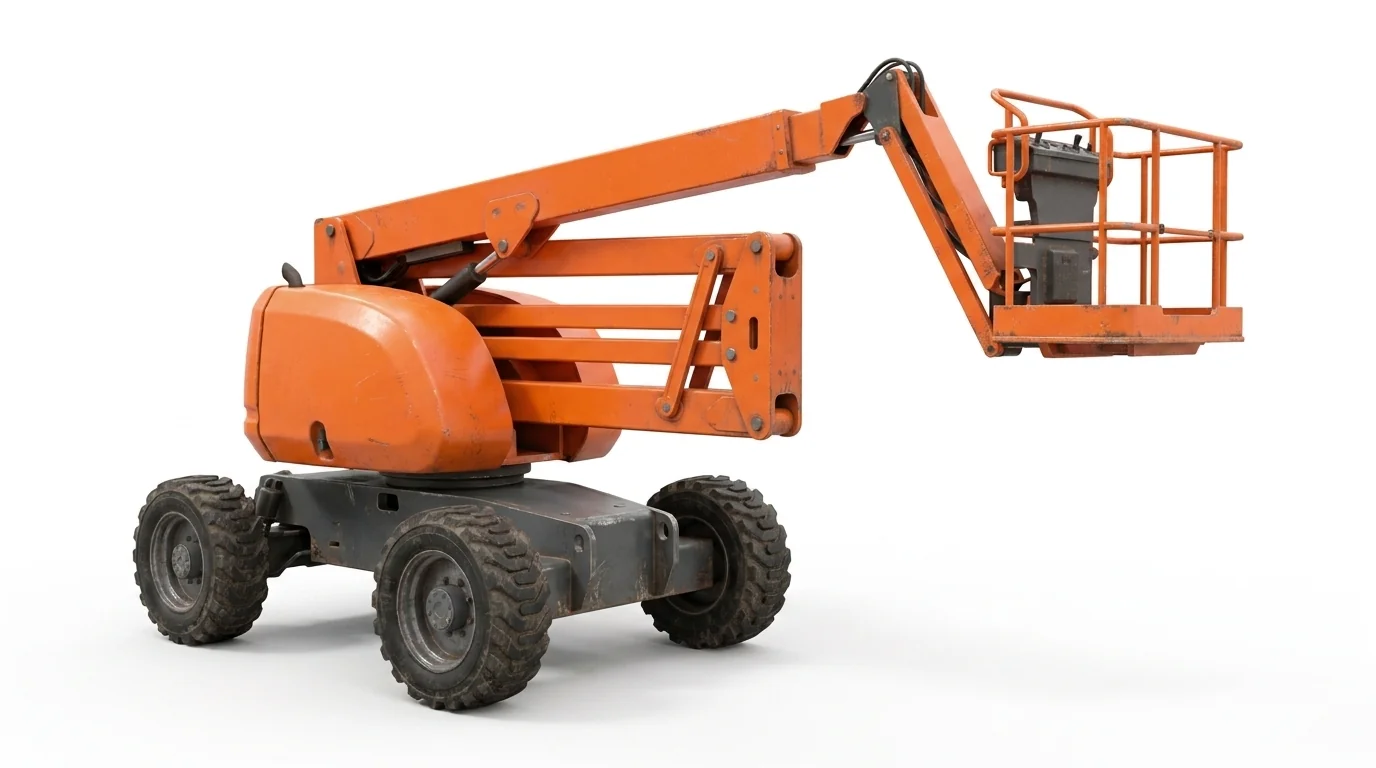
Articulating booms place the platform over obstacles using multiple knuckles. That makes them common for local distribution buildings with suspended utilities, as well as façade maintenance at commercial sites where landscaping, canopies, or equipment yards block a straight approach.
Lakeland conditions that affect the choice
- Humid, stormy periods can leave outdoor work areas soft. A rough-terrain articulating unit with appropriate tires and ground clearance is typically better for uneven job sites.
- Indoor high-bay spaces in Lakeland often require emission-free operation and non-marking tires. Electric or hybrid articulating booms fit these slab conditions.
- Frequent re-positioning around racking or medical build-outs favors tight tailswing and compact stowed length.
Working range and constraints that narrow the size
- Up-and-over clearance: measure the needed height to clear the obstruction and the horizontal reach past it. The knuckle and jib lengths determine whether the platform can land on the work face without repositioning.
- Platform capacity: heavier tools or materials may limit the workable envelope at full reach.
- Weight and footprint: confirm slab ratings, doorway widths, and turning space for indoor moves.
When an articulating boom is the better geometry
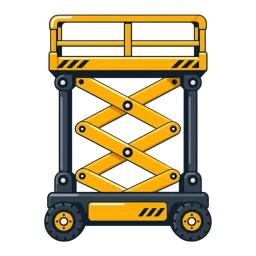
Choose this category when a straight approach is blocked, when you need to reach inside roof trusses, around conveyors, or over canopies and parapets. For purely vertical indoor tasks on smooth floors, a scissor platform may be simpler; for long, unobstructed exterior reach, compare a straight boom.
- Compare indoor slab work: /electric-scissor-lift-rental/
- Compare outdoor uneven sites: /rough-terrain-scissor-lift-rental/
- See broader aerial options: /boom-lift-rental/ and /aerial-lift-rental/
Coordination on active Lakeland jobsites
Industrial sites along the regional corridor often run continuous operations. Plan travel paths that avoid live loading zones and confirm height clearances beneath conveyors, mezzanines, or piping. Weather changes quickly; site procedures and the selected unit’s instructions govern whether work proceeds.