Articulating vs. telescopic in Lakeland conditions
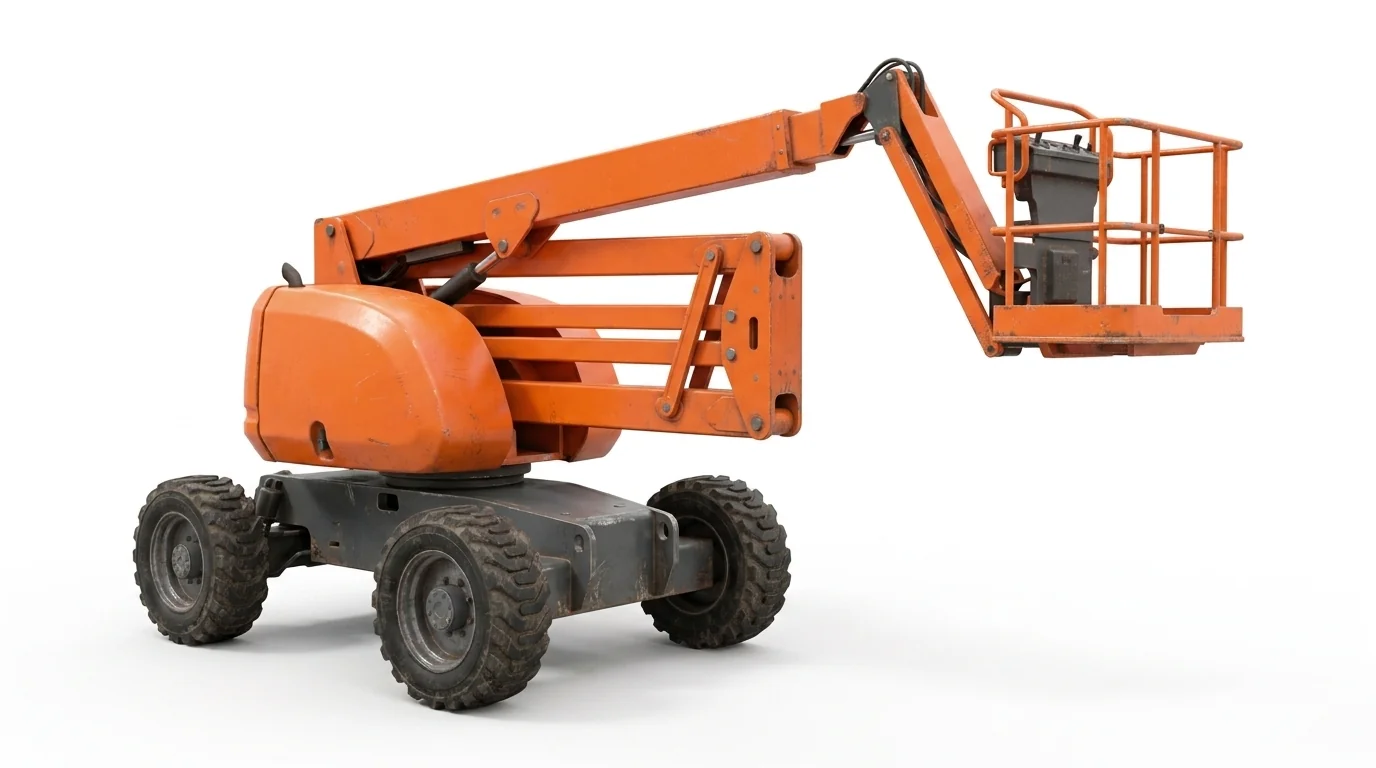
- Articulating booms: Best for complex obstacles—mechanicals, roof overhangs, and racking where the platform must snake around features. Inside high‑bay areas, choose electric or hybrid versions sized to the aisle and slab rating.
- Telescopic booms: Favor long, straight outreach for signage, lighting, and façade panels where set‑back distances are predictable and there’s room for a larger footprint.
Ground and weather realities
Sandy soils and periodic heavy rain can leave perimeters soft. Rough‑terrain packages improve movement to the work zone. On finished interiors, slab‑rated booms may be needed to protect floors and maintain acceptable emissions.
Planning reach and placement
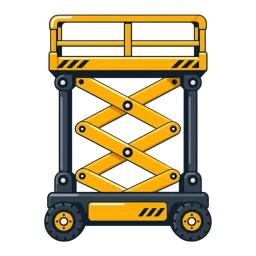
Confirm three measurements before comparing models: - Horizontal offset from the safe parking point to the work face - Vertical height to the task, noting eaves, parapets, or ceiling obstructions - Available swing and set‑up space near docks, drive lanes, or landscaping If the platform can sit directly below the work without obstacles, a scissor from /electric-scissor-lift-rental/ or /rough-terrain-scissor-lift-rental/ may be more compact.
Typical Lakeland use patterns
- Exterior building envelopes along industrial sites where curbs and retention areas block close access
- Maintenance above conveyor lines or equipment where straight vertical lift is not feasible
- Healthcare campus service areas with limited staging that require precise placement and quiet operation
Related equipment paths
- Need vertical lift only? See /aerial-lift-rental/ for scissor options.
- Material handling at height: /telehandler-rental/
- Ground support and lighting: /generators-light-towers-rental/
Actual conditions, the selected unit’s instructions, and site procedures govern elevated and exterior work.