Establish the approach and setback
- Is there a clear, unobstructed line to the work? If not, compare /articulating-boom-lift-rental/.
- How far back must the machine park from docks, drainage, or landscaping?
- Are there overhead limits while traveling to position, like utilities or canopy edges?
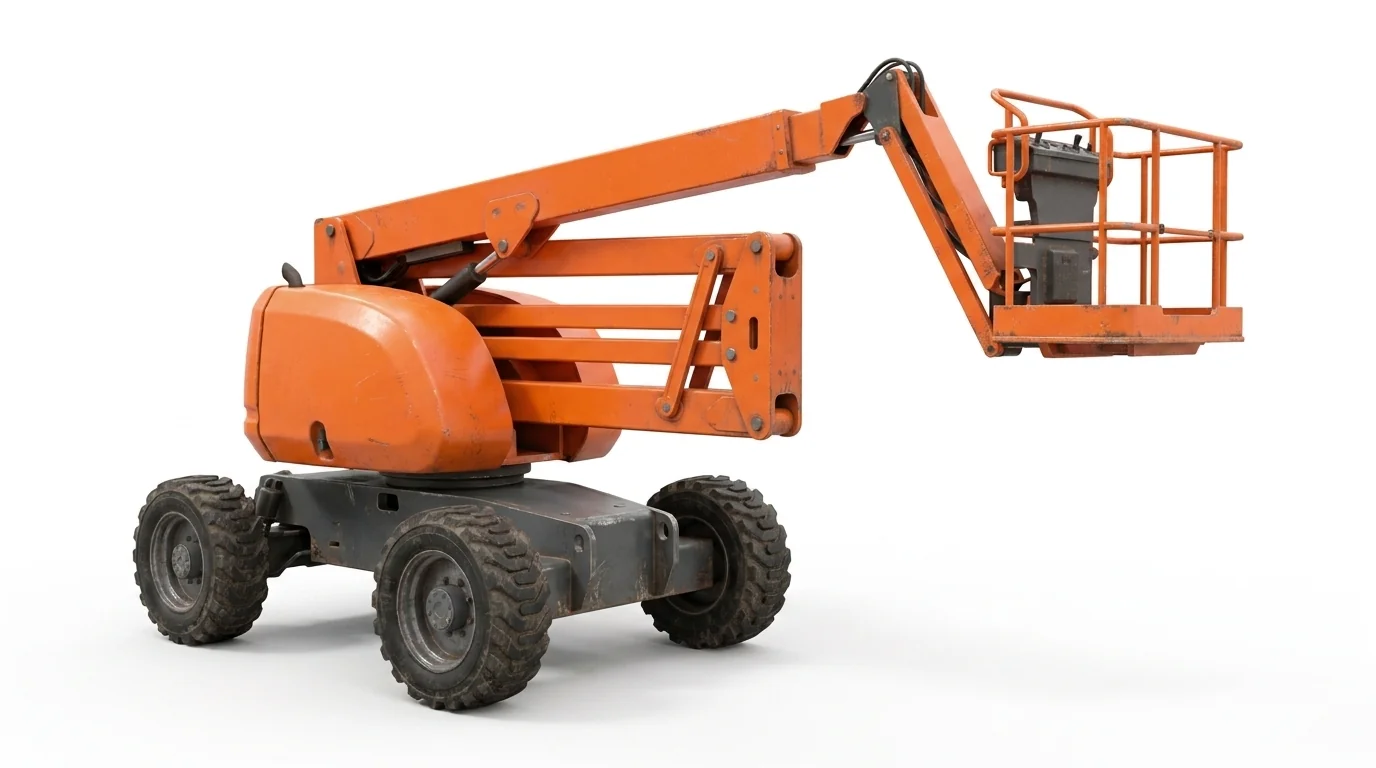
With a direct line to the target, the boom’s telescoping sections deliver long horizontal reach and stable platform placement. This often suits exterior work around industrial sites and large commercial buildings in and around Lakeland.
Ground and weather factors around Lakeland
- After heavy rain, sandy soils can pump under load. A rough-terrain straight boom handles uneven surfaces better but still needs bearing support within site procedures.
- Wind exposure on open pads or yards changes usable operating envelopes. Actual conditions and the machine’s instructions govern whether a task proceeds.
- Humid conditions encourage preventive checks on electrical and hydraulic components; plan staging where inspection access is practical.
Measurements that narrow the model
- Required horizontal reach: measure setback from safe parking to the work face.
- Platform height: confirm the vertical target to ensure the boom has room to angle and still reach.
- Platform capacity: lights, panels, or tools may influence which size can hold both crew and gear at outreach.
When a straight boom is the right geometry
Use a telescopic boom when the path is open and distance is the problem. It excels for long-reach lighting, signage, façade panels, and roof-edge work where the machine must sit back from curbs, soft shoulders, or active loading lanes.
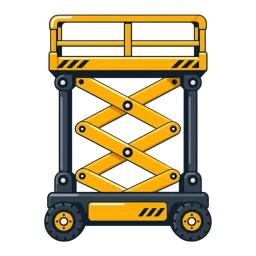
Additional comparisons: - Need up-and-over around obstacles? /articulating-boom-lift-rental/ - Short vertical work zones on slab? /electric-scissor-lift-rental/ - Broader lift overview: /boom-lift-rental/ and /aerial-lift-rental/
Coordination on busy sites
The I-4 corridor pace means equipment often stages near active logistics routes. Plan travel paths that avoid dock doors and yard traffic, confirm turning radii for setup, and verify ground-bearing limits where stormwater retains under the surface.